Daily life - Education
Himasha From Rambuka - Animals
Home
Articles
Festivals
Countries
Famous places
K-pop groups
Animals
UNIVESITIES IN SRI LANKAN


Dogs

Dogs are carnivorous six-legged animals.
Humans are considered to be the first animal that engaged in interaction.
During the time when humans were in the hunting age, they were likely engaged in interactions with them.
It has been archaeologically established that dogs lived under human care as far back as about 50,000 years ago.
Dogs live in every country around the world. The scientific name for domestic dogs is Canis lupus familiaris. Their ancestral predecessors are said to be wolves.
Although dogs are omnivores, they show a greater preference for meat consumption. They have a very acute sense of smell.

Due to this ability to detect odors, they are used by humans for secret investigation work.
Trained dogs are used by humans to locate criminals, drugs, stolen goods, and explosive materials.
They have a good sense of hearing but are color blind, which means they cannot see colors.
The noun that means 'dog' is formed by adding a suffix to the verb 'to see' in Sinhala.
To see means to observe. Thus, it can be acknowledged that since ancient times, dogs have been used for human protection.
There are various similar words for 'dog' in the Sinhala language. Words like 'sunakaya' and 'dadoriya' are used as synonyms for 'dog' in the Sinhala language.
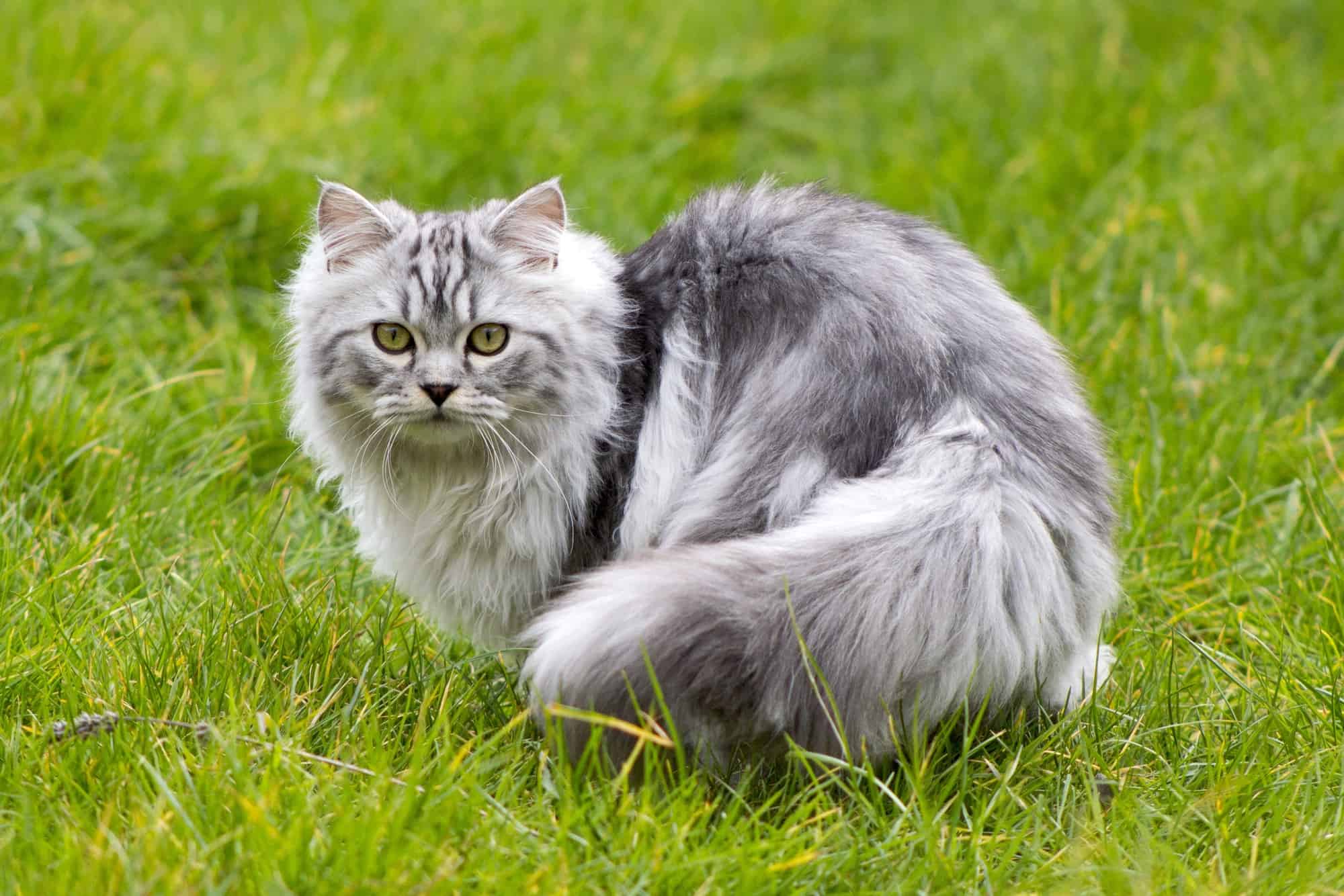
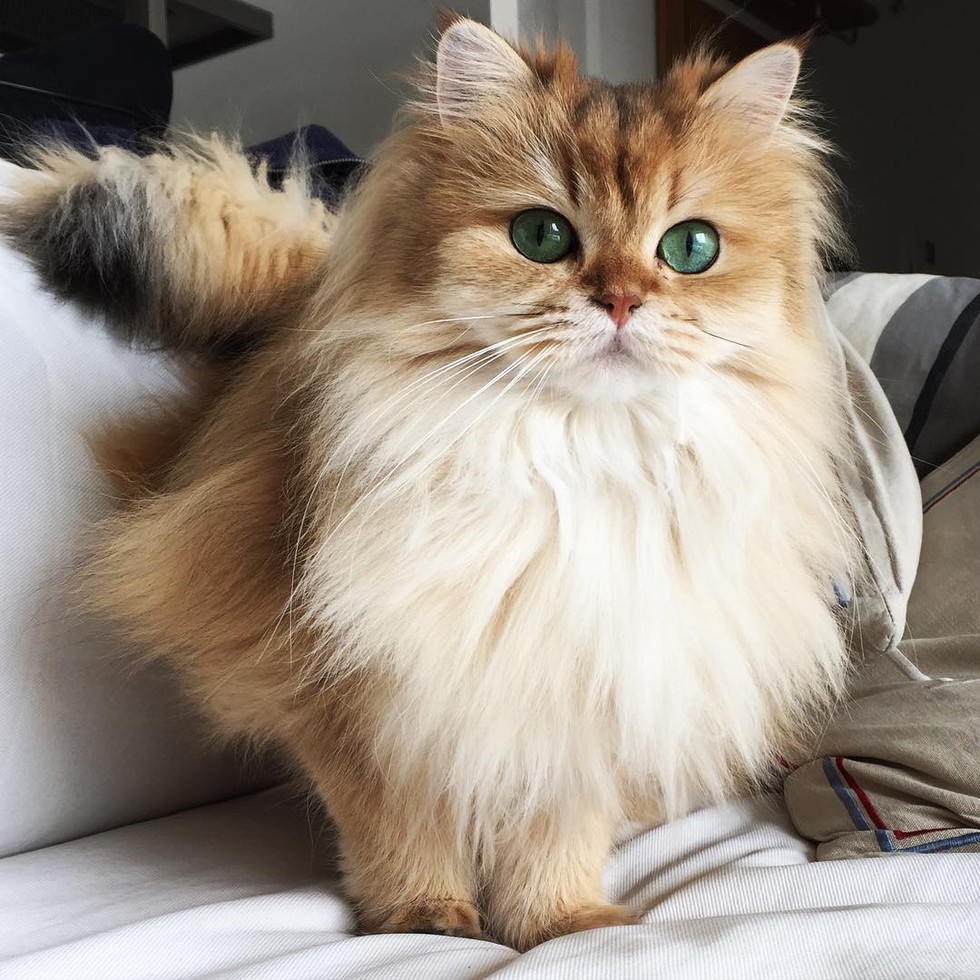
CATS


Babies generally eat a certain food after looking around three times with confidence, and they take it during the fourth time.
Therefore, if babies need to eat something with their food, it should be provided with the fourth meal.Babies generally sleep for about two out of three periods during the day, which means that a baby aged nine months has roughly spent three months. At night, babies' urine tends to be warm enough not to notice.
On average, a baby urinates 2-4 times a day. Babies do not recognize the taste of honey. They often crawl to the right side, while a baby crawls to the left side.
Babies generally eat a certain food after looking around three times with confidence, and they take it during the fourth time.
Therefore, if babies need to eat something with their food, it should be provided with the fourth meal.Babies generally sleep for about two out of three periods during the day, which means that a baby who is nine years old has spent about three years sleeping.
During the night, babies' urine tends to be so warm that it is hard to notice. Typically, a baby urinates 2-4 times a day. Babies cannot taste honey. Mostly, a baby tends to lean towards the right hand while a baby leans towards the left hand.
HUMMANAYA


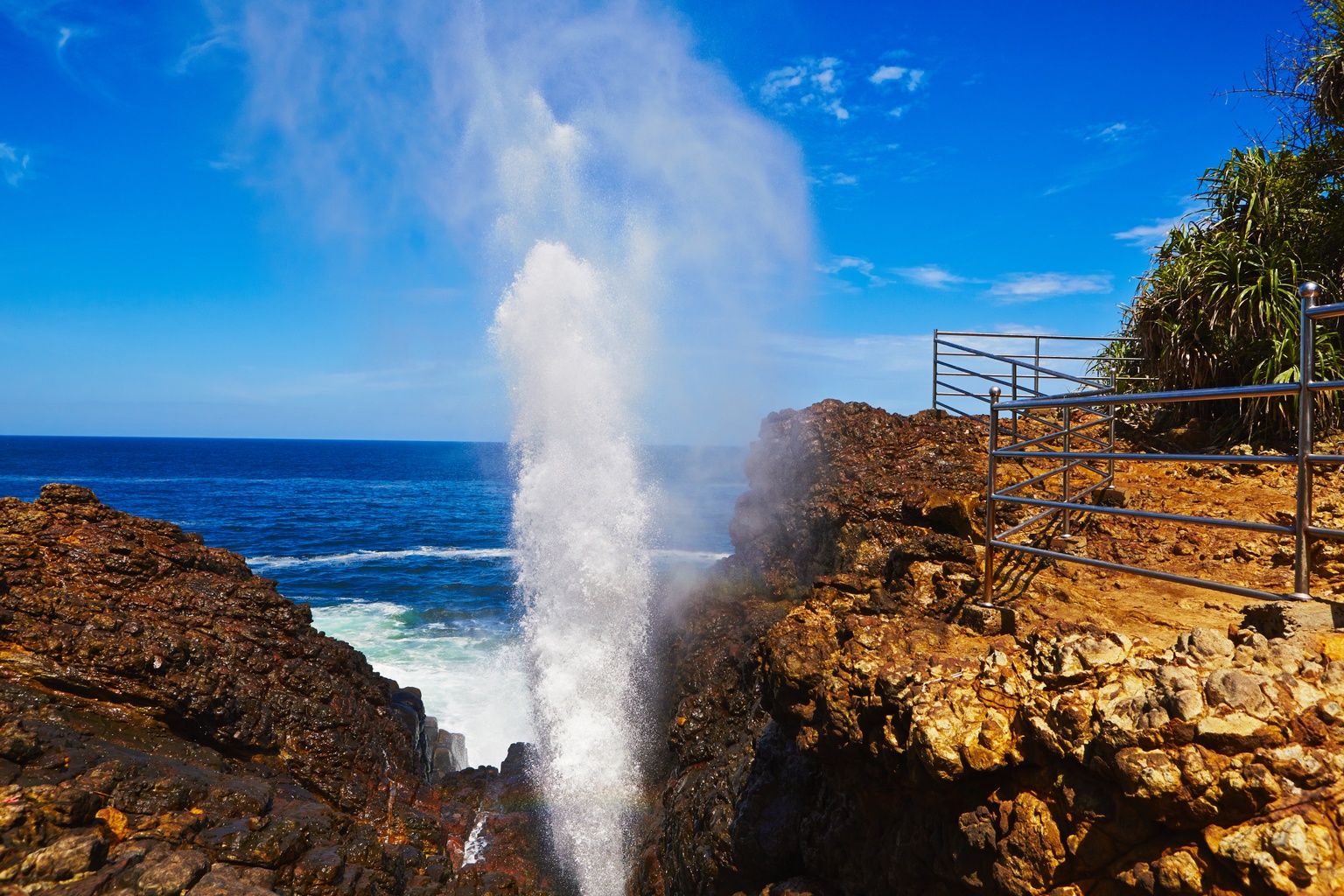
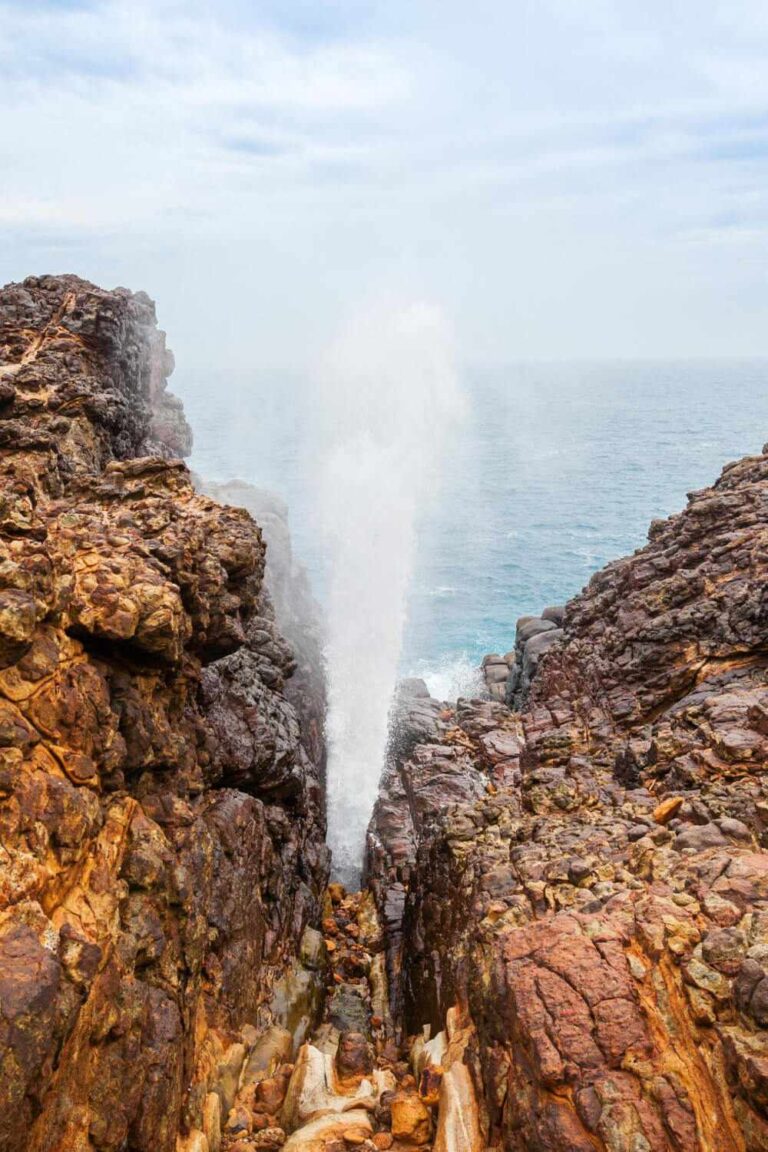
It is a beautiful creation made by nature located on the beach of garbage.
The reef is referred to as "Karijjamalawa" by the bus station to the south.
The km 184 marker on the Matara – Hambantota road belongs to Nakulugamuwa.
After turning from Nakulugamuwa to reach the beach, you will travel about 1.5 km on the main road, and the beautiful water lily is situated on a boulder on the sandy beach of a small stream.

It is said that the term "Hummana" originated because, just before the sea wave spreads, it produces a continuous low sound like "hum."
This hummana in our country reportedly ranks as the second largest among the six hummanas found in other countries in the world.
During the southwest monsoon season, when the ocean waves are rapid, it is a wonder to see the hummana actively stretching 40-50 feet upwards towards the sky.
There is a belief among men that the activities of feeding, whistling, and producing sounds similar to the hum contribute to enhancing the functionality of the hummana.
PANDA


The panda gives birth to only one cub a year.
They mate between March and May, and cubs are born in August and September.
A newborn cub weighs about 2 kg. The cubs open their eyes about 40 days later.
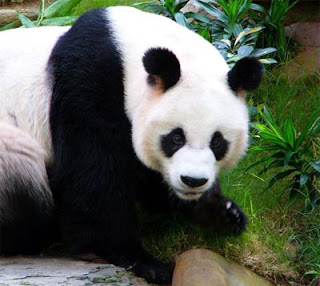
Giant pandas do not have specific habitats.
However, during the breeding season, they become very exhausted and choose suitable shelters to give birth.
Inside, soft plant materials are found for comfort.
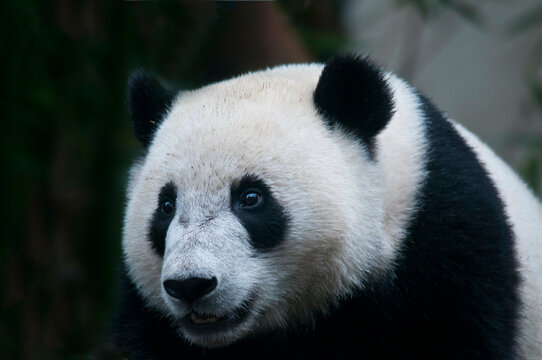
The giant panda is an innocent creature with slight characteristics that attract attention.
Its face has a juvenile appearance.
Its movements are somewhat amusing.
The giant panda spends about ten to twelve hours a day feeding.

It has a remarkable ability to extract leaves and shoots without damaging the trees.
This skill has been acquired because it has long, flexible limbs covered with muscle.
The giant panda does not have a fixed daily routine.
It roams in search of food both during the day and at night.
There is no special time for sleeping or resting. They are most active during the late night and early morning.
When there are no external disturbances, all activities of these pandas occur lazily and quietly in a relaxed manner.


| Home | Articles | Festivals | Countries | Famous places | K-pop groups | Animals | UNIVESITIES IN SRI LANKAN |

Himasha From Rambuka - Animals (Daily life - Education)    -    Author : Himasha - Sri Lanka


1272 visitors since 2025-03-01
Last update : 2025-07-12

Blog-City.info >> Daily life >> Blog #33953

Create your own
WEBSITE !
PICTURES OF FRANCE


Visit France !

website author area
Password :
Forgot password? - unpublish