Daily life - Education
Dinitha from Rambuka - Waterfalls in Sri Lanka
MY SELF
sri lanka Festivals
Beautiful places in Sri Lanka
Mountains of Sri Lanka
Waterfalls in Sri Lanka
the provinces of Sri Lanka


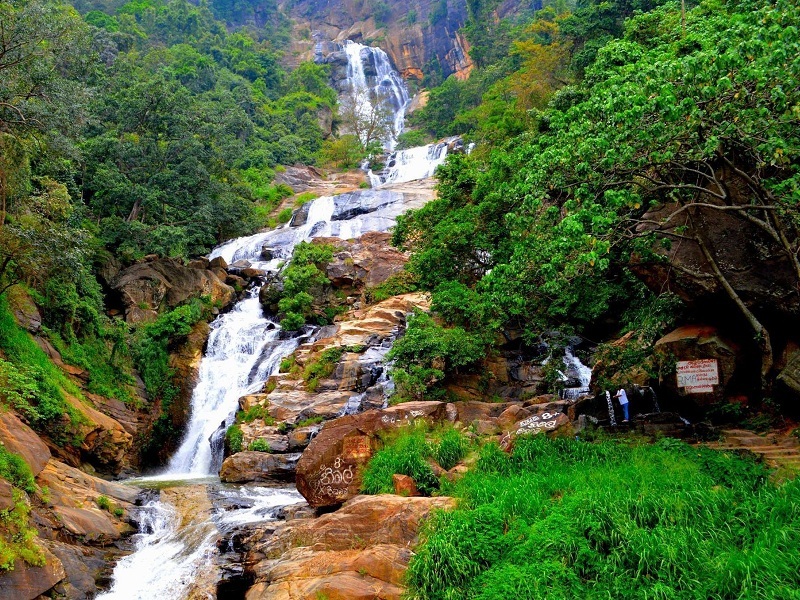
Ravana Falls: A Majestic Waterfall in Sri Lanka
Ravana Falls, located in the central highlands of Sri Lanka, is one of the island’s most stunning natural attractions. Situated near the town of Ella, in the Uva Province, this spectacular waterfall stands as a testament to the country’s rich natural beauty and cultural heritage.

History and Name

Ravana Falls is named after the legendary king, Ravana, who is a central figure in the ancient Hindu epic, the Ramayana. According to the myth, Ravana hid his wife, Sita, in a cave behind the falls after abducting her from India. This connection to the Ramayana has made the falls a significant cultural landmark as well as a popular destination for pilgrims and tourists alike.

Geography and Appearance

Ravana Falls is a multi-tiered waterfall that plunges a total of 25 meters (82 feet) down the lush, green mountain slopes. The waterfall is formed by the Kirindi Oya river and is at its most majestic during the monsoon season, when the water flow is at its peak, creating a thunderous roar as it cascades over the rocks.

The waterfall is divided into several steps, with each tier offering unique views and opportunities for visitors to take photographs or simply soak in the surroundings. The lush vegetation, rocky outcrops, and vibrant green landscape surrounding the waterfall make it a perfect example of Sri Lanka's tropical beauty.

Tourist Attraction
Ravana Falls is one of the most visited waterfalls in Sri Lanka, thanks to its stunning beauty and its proximity to Ella, a popular hill station town in Sri Lanka’s central province. The falls are easily accessible via a short walk from the main road, and the area surrounding the waterfall is often visited by both local and international tourists.

Visitors can enjoy a refreshing dip in the cool waters of the pools formed at the base of the waterfall, though caution is advised due to the slippery rocks and strong current, especially during the rainy season.

For those with a deeper interest in Sri Lanka’s cultural heritage, there is a cave behind the falls that is said to have been used by Ravana to hide Sita. Although the cave is not particularly large or extensive, it holds significant historical and mythological importance. The cave itself is accessible with a short hike, though it's important to note that some parts may be challenging to reach, requiring sturdy footwear and careful navigation.

Best Time to Visit
The best time to visit Ravana Falls is during the dry season, from December to March, when the water flow is calmer, and the surrounding trails are more accessible. However, for those seeking the full power of the waterfall, the monsoon season (April to October) offers a more dramatic spectacle, as the waterfall is in full flow.

Nearby Attractions
Ravana Falls is located in close proximity to several other famous attractions, making it a prime stop for anyone traveling through the area. Some nearby highlights include:

Ella Rock: A hike to Ella Rock offers panoramic views of the surrounding tea plantations and valleys. The trail is a bit challenging but rewards hikers with breathtaking vistas of the central highlands.

Nine Arches Bridge: A picturesque railway bridge built during British colonial times, known for its impressive architectural design and its striking position amid the hills and forest.

Dhowa Rock Temple: This ancient Buddhist temple is famous for its large Buddha statue carved into the rock face and offers a serene spiritual experience.

Conservation and Environmental Concerns
Like many natural attractions, Ravana Falls faces challenges related to environmental conservation. Increased tourism, waste management, and the protection of the surrounding ecosystem are ongoing concerns for local authorities and conservationists. Visitors are encouraged to be mindful of their environmental impact by disposing of waste properly and respecting local wildlife.

How to Get There
Ravana Falls is easily accessible from the town of Ella. It is approximately 6 km (3.7 miles) from Ella town, and visitors can reach the waterfall by tuk-tuk, bus, or private car. Once there, a short walk from the main road leads directly to the falls.


Lakshapana Waterfall: A Majestic Jewel of Sri Lanka
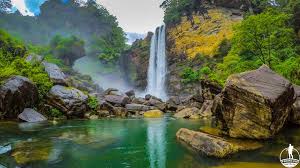
The Lakshapana Waterfall, located in the central highlands of Sri Lanka, is one of the most breathtaking and picturesque waterfalls in the country. Situated in the Nuwara Eliya District, it lies in close proximity to the town of Ginigathena, and is nestled among the rolling hills and lush greenery that define Sri Lanka’s hill country. With its striking beauty, tranquil atmosphere, and the sheer force of water cascading from great heights, Lakshapana is a hidden gem waiting to be explored.

A Glimpse of the Falls
At a height of 126 meters (413 feet), Lakshapana is the 8th tallest waterfall in Sri Lanka, and its grand size makes it a truly awe-inspiring sight. The waterfall is formed by the waters of the Maskeliya Oya, which flows from the surrounding mountains and plunges down into a deep pool below. The water flows over rocky ledges, creating a multi-tiered cascade that presents a magnificent spectacle as it descends through the dense, green forest.

The surroundings of the waterfall are equally stunning. The mist from the waterfall, combined with the surrounding forest and the occasional rainbow that appears when the sunlight hits the water droplets just right, adds an almost magical quality to the atmosphere. The area is a peaceful escape from the bustle of daily life, and the sound of the water crashing down into the pool below is both soothing and invigorating.

Origin of the Name
The name "Lakshapana" is derived from the Sinhala words “laksha” meaning “hundred thousand,” and “pana” meaning “fall.” The name is believed to reflect the overwhelming grandeur of the waterfall, which appears almost as if countless drops of water are falling from the sky. While the exact origin of the name remains a subject of debate, it undoubtedly reflects the awe-inspiring power and beauty of the waterfall.

The Journey to Lakshapana
Reaching Lakshapana Waterfall requires a bit of effort, but it is well worth the journey. The waterfall is located about 5 kilometers (3 miles) from the Ginigathena town, and visitors must traverse a gravel road that winds through tea plantations, forests, and small villages. The road can be a little rough, and at times, vehicles may have difficulty navigating the narrow paths. For those looking for a more adventurous experience, the best way to explore the area is on foot. A hike through the dense woods, combined with glimpses of the cascading waters, makes the journey as rewarding as the destination itself.

There is a vantage point at the waterfall from which visitors can admire the full splendor of Lakshapana. However, reaching closer to the base of the waterfall requires some effort and caution, as the terrain can be slippery, and the path can be challenging. Visitors should take care when trekking through the area and be mindful of safety while enjoying the natural beauty.

Best Time to Visit
The best time to visit Lakshapana Waterfall is during the dry season, which typically lasts from December to April. During this time, the weather is cooler, making for an ideal environment to explore the area. However, even during the monsoon season (May to September), Lakshapana still offers a spectacular view, with the water flowing at its fullest, creating a more dramatic and powerful scene.

The surrounding area of the hill country also offers a temperate climate, with cool, misty mornings and evenings, making it a perfect retreat for nature lovers and those looking to escape the tropical heat of the lowlands.

Nearby Attractions
Lakshapana Waterfall is located in one of the most scenic and culturally rich regions of Sri Lanka, with several other noteworthy attractions nearby:

Maskeliya: A small village near the waterfall, Maskeliya is home to the Maskeliya Oya and is also known for its tea plantations. It is the perfect place for those looking to experience traditional Sri Lankan tea culture.

Adam’s Peak (Sri Pada): One of the most famous pilgrimage sites in Sri Lanka, Adam’s Peak is located about 25 kilometers (15.5 miles) from Lakshapana. The mountain is sacred to Buddhists, Hindus, and Christians, and the summit offers a stunning panoramic view of the island. Many visitors to Lakshapana also take the opportunity to visit Adam’s Peak during their travels.

Ginigathena: The town of Ginigathena is a quaint settlement, providing a base for travelers visiting Lakshapana. The town also has its own share of natural beauty and traditional Sri Lankan hospitality.


Dunhinda Waterfall: The Silver Veil of Sri Lanka
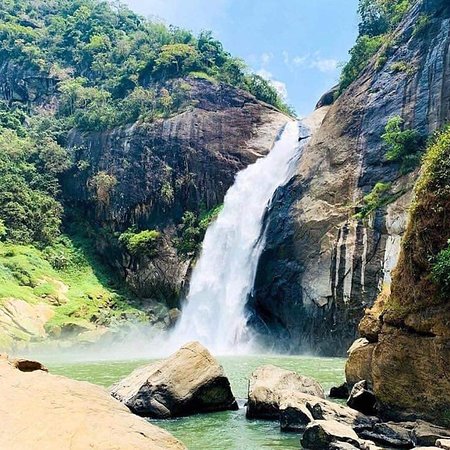
Nestled in the heart of Sri Lanka's central highlands, the Dunhinda Waterfall stands as one of the island’s most beautiful and iconic natural wonders. Located near the town of Badulla, in the Uva Province, Dunhinda is not only a breathtaking sight but also a must-visit destination for anyone seeking to experience Sri Lanka’s stunning landscapes. With its misty, ethereal appearance and the roar of cascading water, Dunhinda Waterfall has earned a special place in the hearts of nature lovers, photographers, and tourists alike.

A Glimpse of the Falls
Dunhinda Waterfall, at a height of 64 meters (210 feet), is one of Sri Lanka’s tallest and most impressive waterfalls. The water flows down a series of rocky steps, plunging into a deep pool below. The waterfall’s unique charm lies in the mist that rises from the base, creating a silvery curtain that shimmers in the sunlight, giving the falls their name – "Dunhinda", which translates to "misty" or "smoky" in Sinhala.

As the water cascades down the rock face, it creates a fine spray that gives the illusion of a silver veil, adding an almost magical quality to the landscape. The sound of the water crashing into the pool below is both loud and calming, creating a sense of tranquility that is hard to match. The surrounding area is lush with greenery, with dense forests of tall trees, ferns, and shrubs contributing to the waterfall’s enchanting atmosphere.

The Journey to Dunhinda
Reaching Dunhinda Waterfall is an adventure in itself. The journey begins with a short drive from Badulla town, followed by a scenic walk of about 1.5 kilometers (1 mile) through dense forests and a well-maintained trail. Along the way, visitors pass through cool, shaded areas where the towering trees offer a respite from the heat of the day. The path is lined with vibrant greenery, and the sound of birdsong fills the air, making it a refreshing trek.

The walk to the waterfall is relatively easy, but the final stretch involves some steep steps and a narrow path that leads to a viewing platform. From here, visitors are treated to a stunning panoramic view of the waterfall in all its glory. For those wishing to get closer, it is possible to navigate a set of steps that bring you nearer to the base of the waterfall, but caution is advised as the rocks can be slippery.

A Legend and Name
The name "Dunhinda" is thought to be derived from the mist that rises from the waterfall, which resembles smoke or fog, particularly when viewed from a distance. Local legends and myths also add to the mystique of the waterfall, with tales of it being a sacred site in ancient times. While the stories of Dunhinda vary, the mystical atmosphere of the waterfall certainly evokes a sense of reverence and wonder.

Best Time to Visit
The best time to visit Dunhinda Waterfall is during the dry season, from December to April, when the weather is relatively clear and the walk to the falls is more enjoyable. However, for those who don't mind the rainy season, the monsoon months (May to September) bring a higher volume of water, making the falls even more spectacular. The increased flow during the rainy season creates a powerful roar as the water crashes down the rocky face, intensifying the experience.

Nearby Attractions
Dunhinda Waterfall is located in close proximity to several other noteworthy attractions, making it a perfect stop for travelers exploring the hill country. Some nearby points of interest include:

Badulla Town: A charming town that is rich in history, Badulla offers several other attractions such as the Muthiyangana Raja Maha Vihara, an ancient Buddhist temple, and the Sri Lanka Tea Board.

Ella Rock: About an hour’s drive from Dunhinda, Ella is another popular tourist town known for its scenic views, trekking routes, and landmarks such as the Nine Arches Bridge and Ravana Falls.

Uva Rainforest: The Uva Rainforest, located in the surrounding region, is home to diverse flora and fauna, making it a great destination for nature enthusiasts and eco-tourism.

Gal Oya National Park: For wildlife lovers, this park offers the opportunity to see elephants and other wildlife in their natural habitat, along with boat safaris on the Senanayake Samudraya reservoir.


Bopat Diyan Ella: A Hidden Gem of Sri Lanka’s Waterfalls
Sri Lanka, known for its lush landscapes, pristine beaches, and majestic mountains, is also home to numerous breathtaking waterfalls. One such hidden gem is Bopat Diyan Ella, a stunning waterfall located in the heart of the island. Situated near the town of Kandy, in the central province, Bopat Diyan Ella is a captivating waterfall that not only mesmerizes visitors with its beauty but also holds deep cultural and historical significance.

A Glimpse of the Falls

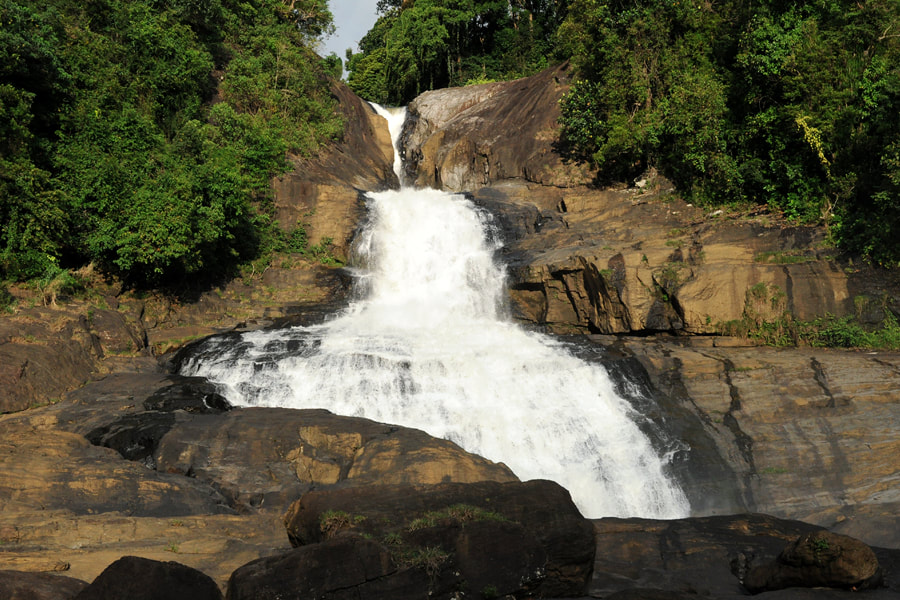
Bopat Diyan Ella is a small yet charming waterfall, standing at approximately 15 meters (49 feet) in height. It is part of the Mahaweli River, the longest river in Sri Lanka. The name “Bopat Diyan Ella” translates to “Waterfall of the Twin-Buddha” in Sinhala, which is believed to have its roots in local folklore and cultural beliefs. According to legend, the waterfall gets its name because the rocks on either side of the fall resemble two Buddha figures, making it a site of both natural and spiritual importance.

The waterfall is characterized by a single vertical drop, where the water flows over a smooth rock face, creating a silver veil that shines in the sunlight. The water then falls into a small pool below, surrounded by thick foliage and rocks. The tranquil atmosphere, combined with the constant sound of the water crashing down, makes Bopat Diyan Ella an ideal spot for relaxation, meditation, or a peaceful escape from the outside world.

The Legend Behind the Name
The name "Bopat Diyan Ella" carries with it an air of mystery and reverence. The term "Bopat" is said to refer to the likeness of two Buddha statues carved into the rocks that surround the waterfall, which locals believe to be an ancient symbol of protection and tranquility. According to one of the local legends, the twin Buddha figures were once the guardians of a sacred site in the area. Pilgrims visiting the waterfall would often stop to pray or meditate near the rock formations, adding a spiritual layer to the natural beauty of the falls.

For those with a keen interest in Sri Lankan culture and spirituality, Bopat Diyan Ella provides not only a stunning natural attraction but also a deeper connection to the island’s Buddhist traditions.

Reaching the Waterfall
Bopat Diyan Ella is relatively lesser-known compared to other more famous waterfalls in Sri Lanka, which helps preserve its pristine environment. However, this also means that getting there requires a bit of effort and dedication. The waterfall is located about 40 kilometers (25 miles) from the city of Kandy, which serves as the closest major urban center. Visitors must drive through winding rural roads and then embark on a short walk to reach the waterfall.

The path to the waterfall is a little rugged, but the trek is made enjoyable by the stunning views of the surrounding forests and mountains. The surrounding area is rich in biodiversity, with tall trees, ferns, and an array of bird species making it a great spot for nature enthusiasts and wildlife photographers.

While the waterfall is not as easily accessible as some of the larger, more famous falls, the journey itself adds to the allure of the experience. The relatively remote location also means fewer tourists, allowing visitors to enjoy the tranquility of the site without the crowds typically found at more popular destinations.

Best Time to Visit
The best time to visit Bopat Diyan Ella is during the dry season, which generally lasts from December to March. During these months, the weather is more pleasant, and the path to the waterfall is easier to navigate. However, for those interested in seeing the waterfall at its fullest, the rainy season (April to October) is the time when the Mahaweli River is in full flow, making the waterfall even more majestic. During the rainy season, the increased volume of water creates a more powerful cascade, adding drama to the already impressive sight.

The cool, misty environment of the surrounding forest provides a welcome break from the heat, especially for those who wish to escape the tropical temperatures of the lowlands.

Nearby Attractions
Bopat Diyan Ella is situated in a region that is rich in cultural and natural attractions, making it an ideal stop for travelers exploring the area. Some nearby attractions include:

Kandy: The cultural capital of Sri Lanka, Kandy is home to the famous Temple of the Tooth, a sacred Buddhist site. Visitors to Kandy can explore the city’s vibrant markets, ancient temples, and lush gardens.

Peradeniya Botanical Gardens: Located on the outskirts of Kandy, this is one of the most renowned botanical gardens in Sri Lanka. It features a wide variety of plant species, including rare orchids, towering trees, and lush lawns.

Knuckles Mountain Range: Just a short drive from Bopat Diyan Ella, this UNESCO World Heritage Site is a paradise for trekkers and nature lovers. The mountains are home to an array of wildlife, including endemic birds, and offer stunning views of the island’s central highlands.

Hantana Mountain Range: This mountain range offers some of the best hiking trails in the country, with panoramic views of Kandy and the surrounding regions. It is also known for its rich flora and fauna.

Environmental Considerations
As with many of Sri Lanka’s natural wonders, the preservation of Bopat Diyan Ella is crucial. Increased tourism could pose a threat to the delicate ecosystem around the waterfall, including the surrounding forest and wildlife. It is important for visitors to adhere to responsible tourism practices, such as avoiding littering, respecting wildlife, and staying on marked paths.

Local conservation efforts aim to preserve the beauty of the area and ensure that future generations can experience the falls in their natural state. Visitors can play a significant role in protecting this beautiful site by following sustainable practices during their visit.


| MY SELF | sri lanka Festivals | Beautiful places in Sri Lanka | Mountains of Sri Lanka | Waterfalls in Sri Lanka | the provinces of Sri Lanka |

Dinitha from Rambuka - Waterfalls in Sri Lanka (Daily life - Education)    -    Author : Dinitha fiom Rambuka - Sri Lanka


823 visitors since 2025-02-22
Last update : 2025-06-28

Blog-City.info >> Daily life >> Blog #33915

Create your own
WEBSITE !
PICTURES OF FRANCE


Visit France !

website author area
Password :
Forgot password? - unpublish