The Sinharaja Forest: A Natural Treasure
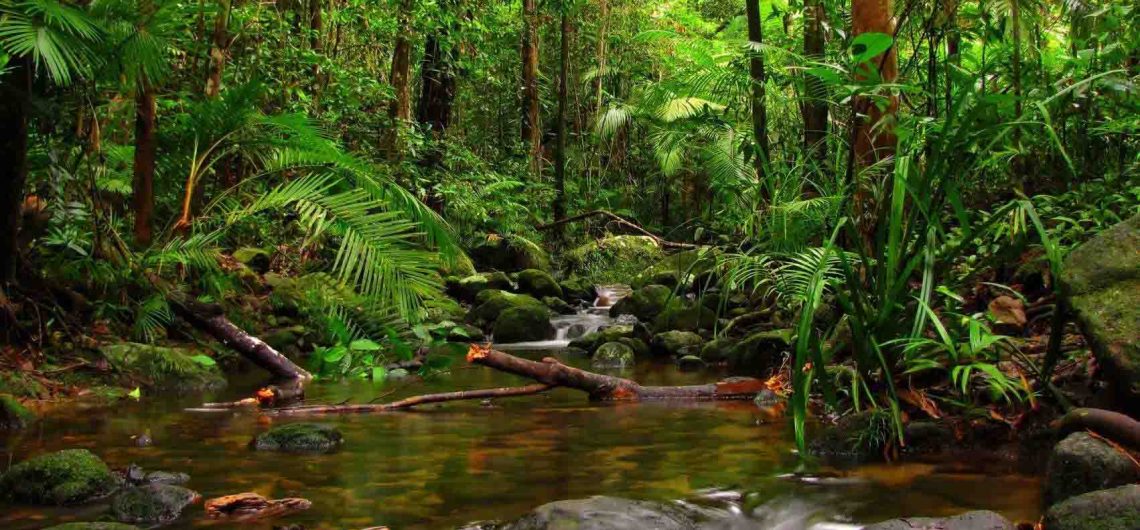
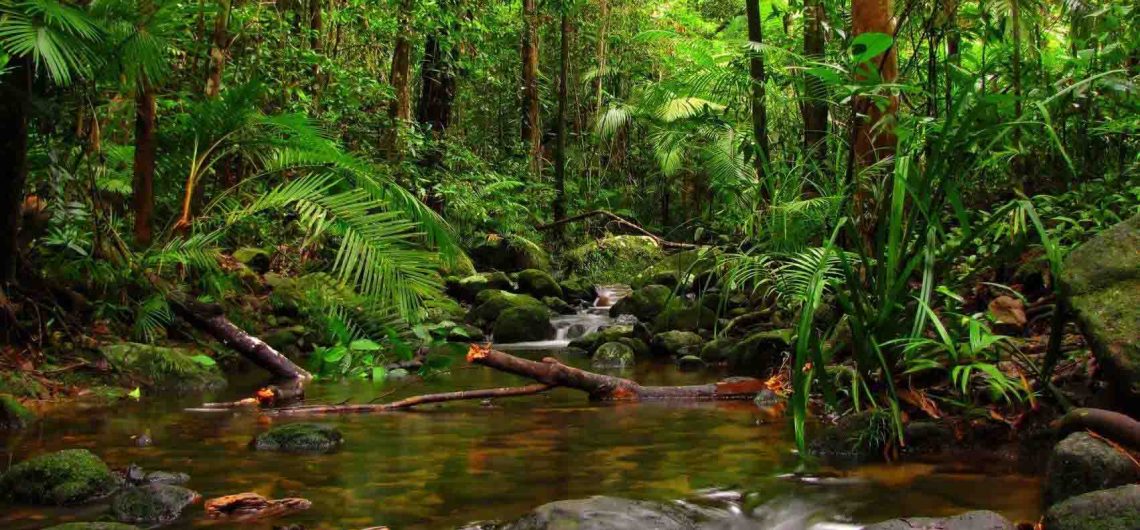
Sinharaja Forest Reserve, located in Sri Lanka, is a biodiversity hotspot and one of the island’s most valuable natural treasures. Recognized as a UNESCO World Heritage Site, this rainforest is home to a vast array of flora and fauna, many of which are endemic to the country. It serves as a crucial ecosystem, playing a significant role in preserving the region’s biodiversity.
Biodiversity and Ecosystem
Sinharaja is known for its rich biodiversity, containing many species that cannot be found anywhere else in the world. The forest is home to a variety of mammals, reptiles, amphibians, and insects, as well as over 147 species of birds. It is particularly famous for its mixed-species bird flocks, a phenomenon where different bird species move together in search of food, displaying a remarkable example of coexistence in nature.
The trees in Sinharaja create a dense canopy, with some reaching heights of over 40 meters. Many medicinal plants and rare tree species are found in this forest, contributing to its ecological importance. The forest also plays a vital role in regulating water cycles and preventing soil erosion, benefiting both wildlife and the human communities that depend on its natural resources.
Environmental Importance
Beyond its role as a sanctuary for countless species, Sinharaja acts as a natural reservoir, contributing to the sustainability of Sri Lanka’s water supply. The forest helps maintain climatic balance and protects against deforestation-driven environmental degradation. Due to its significance, conservation efforts have been put in place to protect it from illegal logging, human encroachment, and other threats.
Ecotourism and Conservation
Sinharaja is a popular destination for ecotourism, attracting nature enthusiasts, researchers, and bird watchers. Visitors can explore its beauty through guided trails, allowing them to witness the breathtaking landscapes and diverse wildlife while ensuring minimal environmental impact. Educational programs and conservation efforts are continuously implemented to preserve the forest and promote sustainable tourism.
Conclusion
Sinharaja Forest Reserve is more than just a protected area—it is a symbol of Sri Lanka’s natural heritage and a vital component of global biodiversity. Preserving its beauty and ecological significance is essential for future generations, ensuring that this rich and diverse ecosystem remains intact. Through proper conservation strategies and sustainable tourism, Sinharaja can continue to thrive as a sanctuary of nature’s wonders. |
|