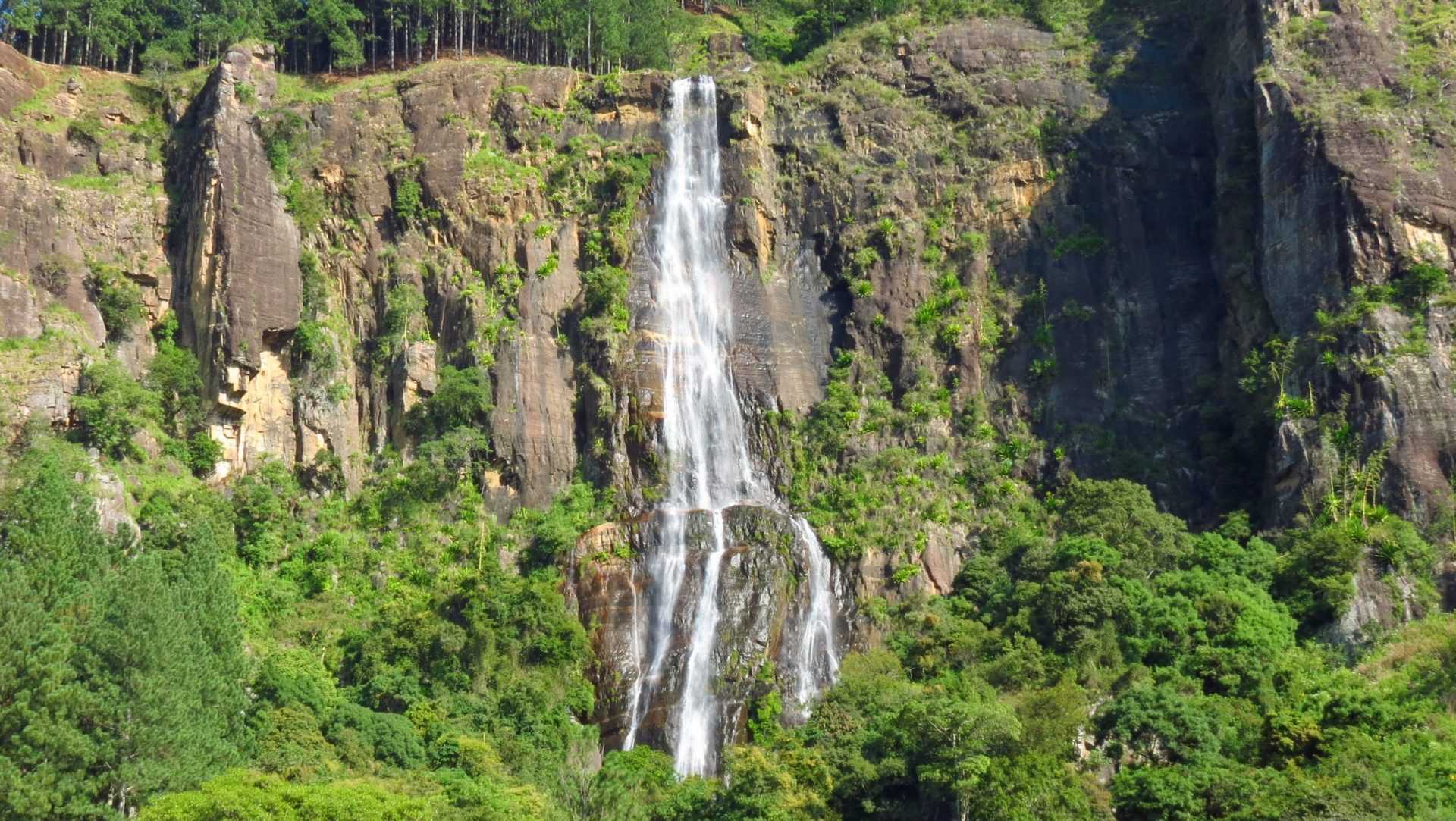
The Mountain of Piduru Taalagala, Sri Lanka: A Majestic Peak of Nature's Glory
Piduru Taalagala is one of Sri Lanka’s most captivating natural landmarks. Rising proudly to 2,524 meters (8,281 feet) above sea level, it is not only the highest point in the central region of the island but also holds cultural and ecological significance. The mountain is located in the central part of Sri Lanka, in the district of Nuwara Eliya, which is often referred to as the "Little England" of Sri Lanka due to its cool climate and lush landscapes. The peak of Piduru Taalagala offers a panoramic view of the surrounding landscapes, including mist-covered valleys, tea plantations, and the distant city of Kandy.
Historical and Cultural Significance
Piduru Taalagala’s name is derived from the Sinhalese words "Piduru" meaning "hill" and "Taalagala" meaning "peak" or "summit." This mountain, like many of Sri Lanka’s prominent peaks, is deeply intertwined with the island's history and mythology. It is believed that the area surrounding the mountain was once an important location for various civilizations, particularly during the times of the Kandyan Kingdom.
In Sri Lankan folklore, the peaks of the central highlands are often regarded as places of spiritual significance. The mountain itself, although not directly associated with any specific ancient temple or shrine, holds a reverence for those who explore its heights, providing a sense of connection to the earth and the divine.
Geography and Natural Beauty
Piduru Taalagala is part of the larger Central Highlands mountain range, which includes several other notable peaks such as Adam’s Peak and the Knuckles Mountain Range. The region around Piduru Taalagala is characterized by thick forests, dramatic cliffs, and cascading waterfalls. The landscape is dominated by a blend of montane forests and grasslands, which creates a serene and almost mystical environment, particularly during the early morning hours when clouds swirl around the peaks.
The vegetation of the area is rich and diverse, home to many species of endemic flora and fauna. The forests around Piduru Taalagala are part of the Knuckles Conservation Forest, which is recognized as a UNESCO World Heritage Site. Visitors often encounter a variety of birds, butterflies, and other wildlife species as they ascend the mountain. The journey to the summit can be challenging, with steep trails and unpredictable weather, but the reward at the top is worth the effort—a breathtaking view of the central highlands and beyond.
The cooler climate in this region, particularly during the dry season, makes it an ideal environment for growing tea, and the surrounding areas are dotted with vast tea plantations. The sight of tea pluckers—mostly women in colorful saris—gathering the tender leaves is a quintessential image of Sri Lanka’s tea industry. The combination of the mist, rolling hills, and tea plantations creates a landscape of timeless beauty.
Adventure and Trekking
For the adventurous, the trek up Piduru Taalagala offers an exciting challenge. The mountain is not as frequently climbed as other peaks like Adam’s Peak, which adds to its charm for those seeking solitude and an immersive nature experience. The journey to the top involves a mixture of walking through dense forests and navigating rocky terrain, with the summit often shrouded in mist and clouds. Depending on the season, the weather can be unpredictable—sunny at the base but cool and foggy at the peak, creating an ever-changing atmosphere during the hike.
The summit itself is marked by a simple cairn (a pile of stones) and offers an expansive view of the surrounding mountains and valleys. On clear days, one can see all the way to the southern coastline of Sri Lanka, and during the monsoon, the mist and clouds add an ethereal, mystical quality to the experience |
|