Daily life - Education
Imasha from Rambuka - Beautiful Places in Sri Lanka
Page 1
Types of Sri Lankan Festvals
Beautiful Places in Sri Lanka


Trincomalee


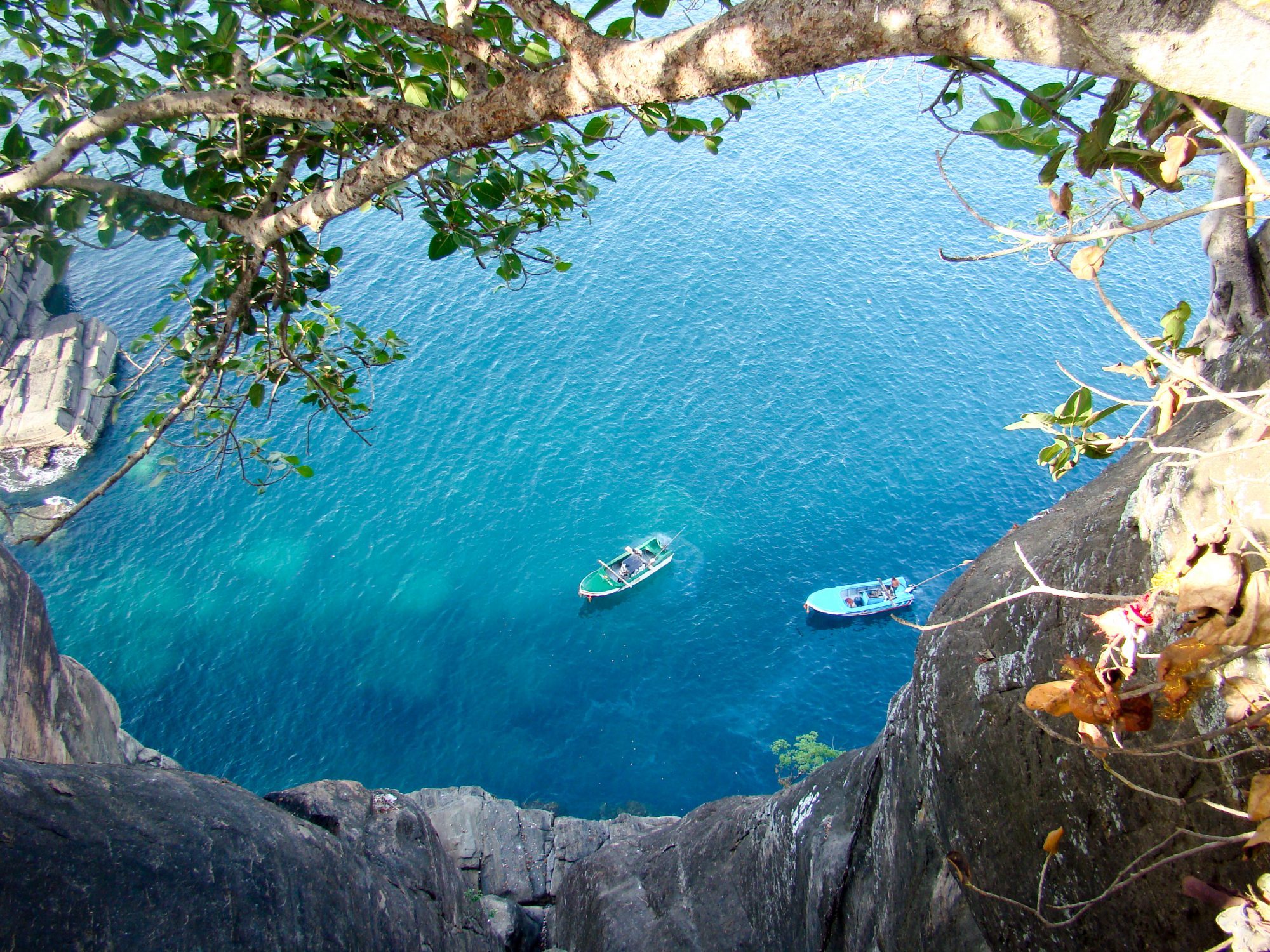
Trincomalee, located on the northeastern coast of Sri Lanka, is one of the island’s most historically significant and naturally beautiful cities. Known for its deep natural harbor, stunning beaches, and rich cultural heritage, Trincomalee—often called “Trinco” by locals—is a unique blend of history, religion, and natural beauty.

One of the city's most notable features is its natural harbor, considered one of the finest in the world. Trincomalee Harbor has played a major role in Sri Lankan history, attracting colonial powers such as the Portuguese, Dutch, and British. Its strategic location made it a vital naval base, especially during World War II.

Culturally, Trincomalee is a melting pot of Sinhalese, Tamil, and Muslim communities, living together in a shared space shaped by centuries of history. A major religious landmark is Koneswaram Temple, a classical-medieval Hindu temple perched on Swami Rock. The temple, dedicated to Lord Shiva, is both a place of worship and a symbol of Tamil heritage in the region.

In addition to its historical and religious significance, Trincomalee is famous for its natural attractions. The white sands of Nilaveli Beach and Uppuveli Beach attract both local and foreign tourists, especially those seeking relaxation or water sports such as snorkeling and diving. Nearby Pigeon Island National Park offers a chance to experience marine biodiversity, including coral reefs and exotic fish.

Trincomalee has also played a role in Sri Lanka’s modern history. It was affected by the country's civil conflict, but in recent years, peace has brought revival and development. Efforts to promote tourism and preserve cultural heritage have turned Trincomalee into a promising destination once again.

In conclusion, Trincomalee is not just a city but a symbol of resilience, diversity, and natural splendor. Whether you visit for its sacred temples, historical harbor, or tranquil beaches, Trincomalee leaves a lasting impression as one of Sri Lanka’s most remarkable coastal cities.

Kandy – The Cultural Heart of Sri Lanka


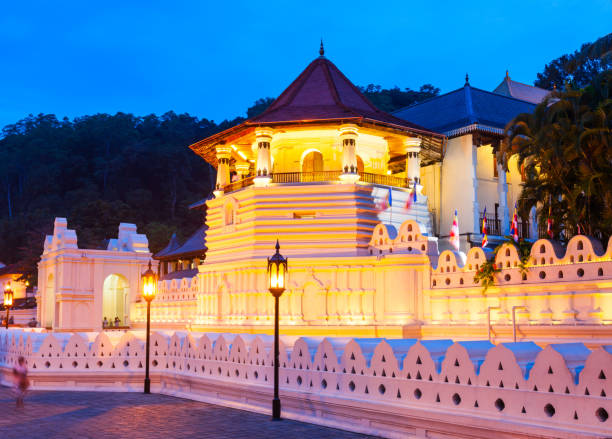
Kandy is a picturesque city located in the central highlands of Sri Lanka. Surrounded by lush hills and tea plantations, it is known not only for its natural beauty but also for its deep cultural and historical significance. Once the last capital of the ancient kings of Sri Lanka, Kandy is now a UNESCO World Heritage Site and a major attraction for both local and international tourists.

At the center of Kandy lies the sacred Temple of the Tooth Relic (Sri Dalada Maligawa), which houses a relic believed to be the tooth of the Buddha. This temple is one of the most important religious sites for Buddhists around the world. Every year, the city becomes vibrant during the Esala Perahera, a grand procession held in honor of the Tooth Relic, featuring traditional dancers, drummers, and decorated elephants.

Apart from its religious significance, Kandy is also known for its scenic beauty. The Kandy Lake, situated in the heart of the city, provides a peaceful spot for visitors to relax. The surrounding hills and botanical gardens, especially the Royal Botanical Gardens in Peradeniya, offer a rich variety of flora and a glimpse into Sri Lanka's biodiversity. In conclusion, Kandy is not just a city; it is a symbol of Sri Lankan heritage. With its unique blend of culture, history, and nature, Kandy continues to hold a special place in the hearts of many.
Sri Padasthanaya (Adam’s Peak)


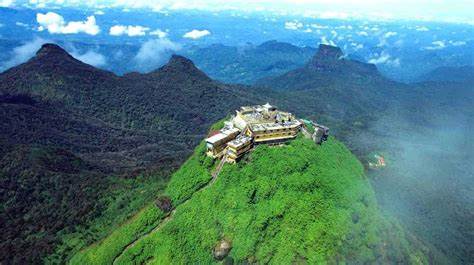
Sri Padasthanaya, also known as Sri Pada or Adam’s Peak, is one of the most sacred and iconic mountains in Sri Lanka. Rising majestically to a height of 2,243 meters (7,359 feet), it is located in the central highlands of the island, in the Sabaragamuwa Province. This sacred mountain is not only a natural wonder but also a religious symbol respected by followers of multiple religions.

The most remarkable feature of Sri Padasthanaya is the footprint-shaped impression at the summit. Buddhists believe it to be the footprint of Lord Buddha, who is said to have visited Sri Lanka. Hindus regard it as the footprint of Lord Shiva, while Muslims and Christians believe it to be that of Adam, the first human. This multi-religious significance makes Sri Padasthanaya a symbol of unity and coexistence in Sri Lanka.

The pilgrimage season typically begins in December and continues until May. During this time, thousands of devotees climb the steep and winding paths, some of them barefoot, chanting prayers and lighting lamps. The journey is difficult, especially at night, but the breathtaking view from the top at sunrise is a reward many describe as spiritual and unforgettable.

The mountain is also surrounded by lush forests and is part of the Peak Wilderness Sanctuary, a protected area rich in biodiversity. Pilgrims and tourists alike are encouraged to protect the environment and respect the sacredness of the site.

In conclusion, Sri Padasthanaya is not only a physical landmark but also a cultural and spiritual beacon. It brings together people of different faiths in a shared act of devotion and offers a profound connection to both nature and the divine.

Seethawaka Botanical Garden


A Sanctuary of Biodiversity and Environmental Conservation
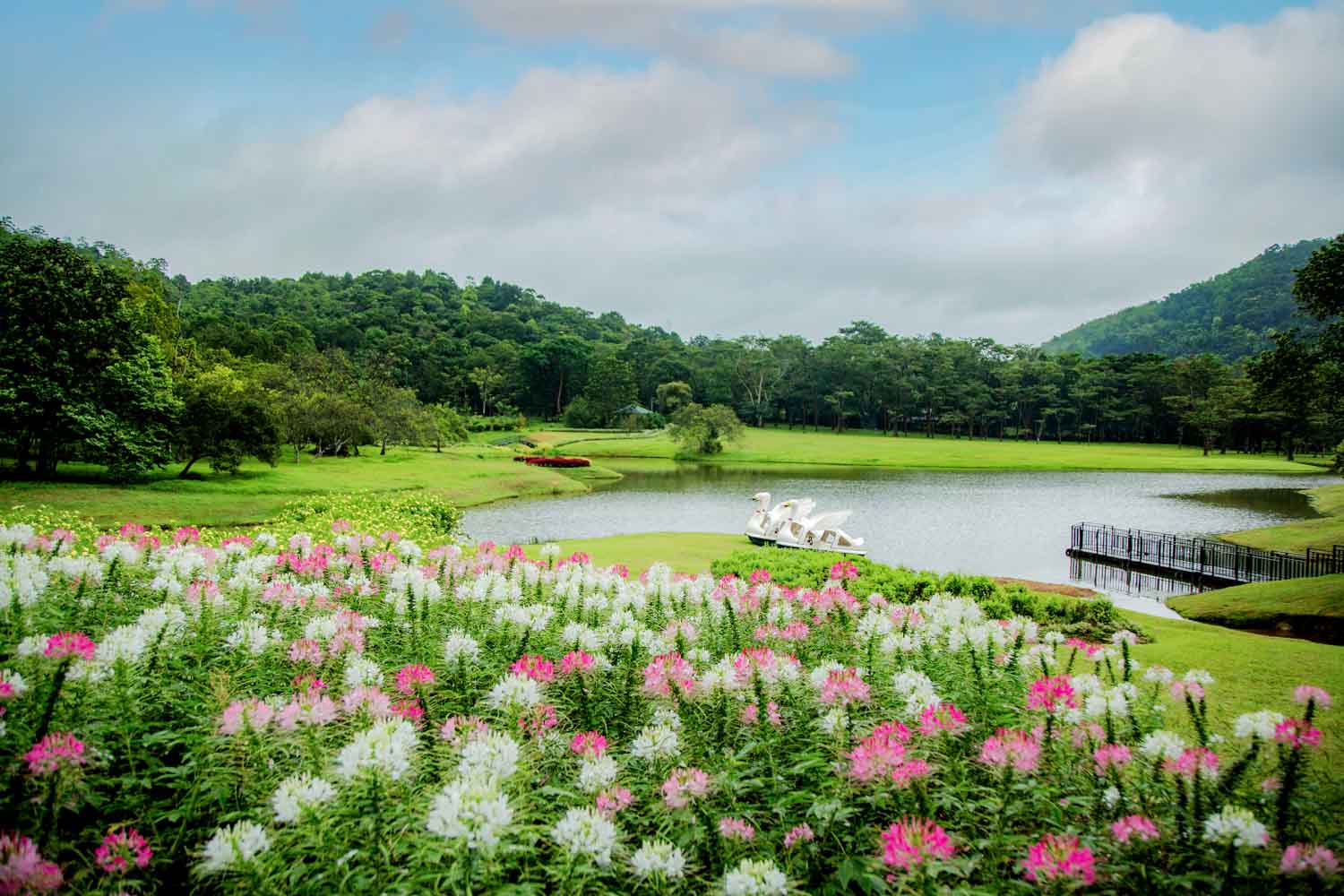
Seethawaka Botanical Garden is the newest addition to Sri Lanka’s network of botanical gardens and was officially opened to the public in October 2014. It is located in Illukovita, Avissawella, near the Puwakpitiya–Thummodara Road and adjacent to the Indikada Mukalana forest reserve. The area belongs to the tropical wet zone of the country.

Features of the Garden
This garden is designed as a wet zone botanical garden to conserve and protect endangered and native plant species that thrive in Sri Lanka's rainforests. One of its main purposes is to support the conservation of Sinharaja rainforest species, commercial flower cultivation, the preservation of wet zone plants, and bamboo cultivation.

The garden includes many themed areas such as a rose garden, fernery, spice garden, medicinal plant section, Japanese garden, pebble garden, and a Kumbuk tree corridor. While golf carts are available for rent, walking is recommended for those who wish to experience the beauty of the environment more intimately.

Environment and Biodiversity
Seethawaka Botanical Garden, together with the Indikada Mukalana forest reserve, is home to around 79 species of butterflies, highlighting the biodiversity and ecological importance of the area.

Opening Hours and Entry Fees
The garden is open daily from 7:30 AM to 6:00 PM. Entry fees for local visitors range from Rs. 20 to Rs. 100, while foreign visitors are charged between USD 5 and 10. Golf cart rentals range from Rs. 1000 to Rs. 2000.

Getting There
From Colombo, visitors can reach the garden by traveling through the Avissawella route and then taking the Puwakpitiya–Thummodara Road. Private vehicles, buses, and tuk-tuks are available for transport. A tuk-tuk ride from Avissawella to the garden takes approximately 20–30 minutes.

Conclusion
Seethawaka Botanical Garden stands out as a key location for conserving wet zone plant species and promoting environmental education in Sri Lanka. Its diverse plant collections, butterfly species, and scenic beauty offer both educational and recreational experiences to visitors. However, it is essential for all visitors to act responsibly and protect the environment while enjoying the garden.

History
The construction of the garden began in 2008 on land previously used as the Panagula estate. It was completed and opened to the public in 2014.

Nuwara Eliya: Sri Lanka’s Little England
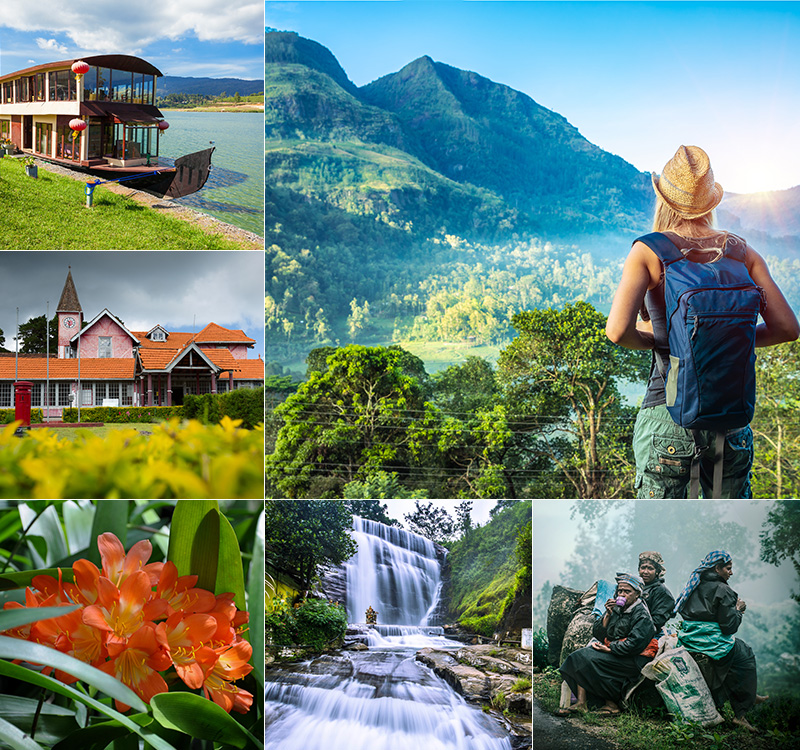


Located in the central highlands of Sri Lanka, Nuwara Eliya is often referred to as "Little England" due to its colonial charm, cool climate, and lush greenery. Situated at an altitude of about 1,868 meters (6,128 feet) above sea level, Nuwara Eliya is a serene getaway from the tropical heat that characterizes much of the island. With its picturesque landscapes, colonial architecture, and tea plantations, Nuwara Eliya stands as one of the most beloved destinations in Sri Lanka for both locals and tourists alike.

A Historical Snapshot

Nuwara Eliya's history dates back to the British colonial era. The town was first discovered by the British in the early 19th century, and it soon became a retreat for British civil servants who sought respite from the heat of Colombo. They introduced the concept of hill stations, and Nuwara Eliya became a popular vacation spot for British officials during the colonial period. Its cool climate, resembling that of England, reminded them of their homeland, hence the nickname "Little England."

Many of the town’s buildings and landmarks still retain the colonial style of architecture, which adds to its old-world charm. A prime example of this is Gregory Lake, built during the British period, which is a focal point of leisure and beauty in Nuwara Eliya.

Natural Beauty and Climate

Nuwara Eliya is renowned for its stunning landscapes. Surrounded by mist-covered mountains, waterfalls, and lush green valleys, the town is a true haven for nature lovers. The cool climate, with temperatures averaging between 15°C and 20°C, makes it a perfect escape from the heat of the lowlands. The town is often covered in mist in the early mornings, adding to its mystical charm.

One of the most iconic attractions in Nuwara Eliya is Gregory Lake, which offers opportunities for boat rides, cycling, and leisurely walks along its shores. The surrounding park is perfect for picnics and family outings, while the nearby hills provide excellent hiking trails. Hakgala Gardens, a sprawling botanical garden, is another must-visit, where visitors can enjoy walking among exotic plants and flowers, including roses, orchids, and the famous Japanese cherry blossoms.

Tea Plantations

Nuwara Eliya is also the heart of Sri Lanka's tea industry. The region is known for producing some of the finest tea in the world, with its unique flavor profile derived from the high altitude and cool climate. Visitors to Nuwara Eliya can tour the numerous tea plantations, such as the Pedro Tea Estate or the Labookellie Tea Factory, where they can witness the traditional methods of tea production and sample fresh, aromatic tea. The sight of workers picking tea leaves in the verdant plantations is a common feature of Nuwara Eliya’s landscape.

The influence of tea cultivation is significant in Nuwara Eliya’s economy and culture. The tea estates are not just agricultural ventures; they have become a part of the town’s identity and charm. The colonial-era bungalows where British planters once lived have been converted into charming guesthouses and hotels, further reflecting the town’s historical connections to tea production.

Cultural and Recreational Activities

Nuwara Eliya offers much more than scenic views and cool weather. The town hosts several cultural events and festivals, including Sri Lanka’s New Year celebrations in April, which feature traditional dances, music, and cultural displays. Visitors can also explore the town's bustling market, which sells everything from fresh fruits and vegetables to local handicrafts.

For those seeking recreation, Nuwara Eliya Golf Club, established in 1889, offers a historic 18-hole course, often described as one of the most beautiful in Sri Lanka. The town also offers horseback riding, cycling, and hiking, making it a popular destination for outdoor enthusiasts.

A Blend of Modernity and Tradition

Despite its colonial legacy, Nuwara Eliya is not frozen in time. Over the years, the town has developed into a more modern tourist hub while still retaining its historical essence. New hotels, restaurants, and infrastructure have been added to accommodate the growing number of tourists. However, much of the town’s character remains unchanged, with its colonial architecture and scenic beauty continuing to enchant visitors.

Conclusion

Nuwara Eliya, with its cool climate, breathtaking landscapes, colonial charm, and cultural richness, offers a unique experience for travelers. Whether you’re strolling through the lush tea plantations, relaxing by Gregory Lake, or enjoying a round of golf at one of the oldest courses in Asia, the town provides a refreshing and picturesque retreat from the tropical heat of Sri Lanka's coastal regions. As "Little England," Nuwara Eliya remains a reminder of Sri Lanka's colonial past, while also embracing the future with modern amenities and a thriving tourism industry.

Whether you’re visiting for a weekend getaway or a longer stay, Nuwara Eliya’s blend of history, nature, and leisure ensures a memorable experience for all who visit.


| Page 1 | Types of Sri Lankan Festvals | Beautiful Places in Sri Lanka |

Imasha from Rambuka - Beautiful Places in Sri Lanka (Daily life - Education)    -    Author : Imasha - Sri Lanka


484 visitors since 2025-02-22
Last update : 2025-05-17

Blog-City.info >> Daily life >> Blog #33914

Create your own
WEBSITE !
Make new friends all over the World !
Make penpal friends with StudentsoftheWorld.info

Visit France !

website author area
Password :
Forgot password? - unpublish