Daily life - Education
Amashi Thavindi from Rambuka - buddhist place🙏🙏
About me
Article❤🧡
buddhist place🙏🙏
My favourite cartoon
Walking to school
South korean 😘🥰
Japan
My favourite movie
My favourite singer
My family
The Robin
My favourote sri lankan singer
My favourite sir lankan film character
A wonderfull Time with Miss LULU
My favourite cartoons


Anuradapuraya

Anuradhapura, located in Sri Lanka's North Central Province, is an ancient city and a UNESCO World Heritage site, renowned for its well-preserved ruins of ancient Sri Lankan civilization and its significance as a sacred Buddhist pilgrimage center. The city served as the political and religious capital for 13 centuries, from the 4th century BC to the 11th century AD, before being abandoned after an invasion.


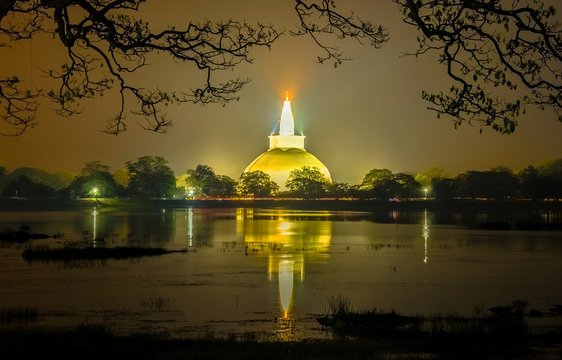
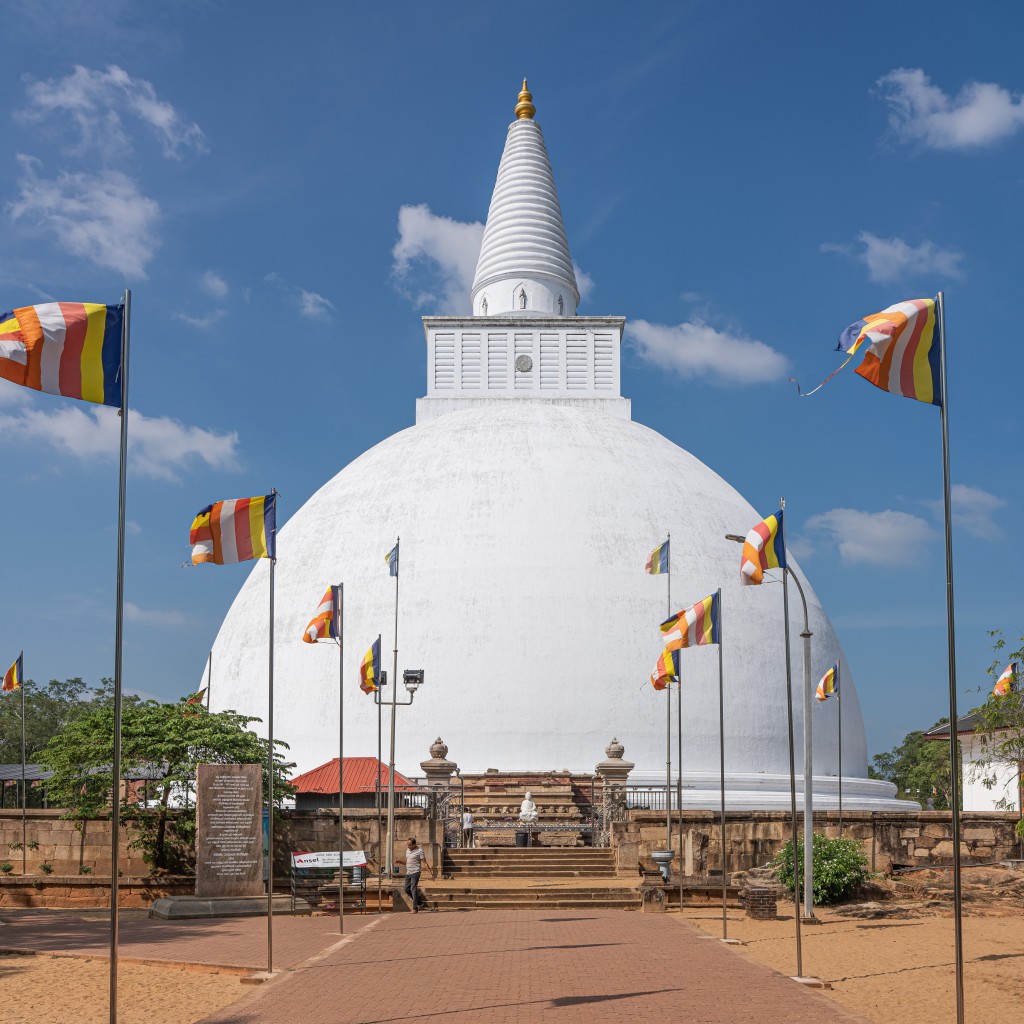
Mirisawetiya stupa


The Mirisaweti Stupa is a memorial building, a stupa, situated in the ancient city of Anuradhapura, Sri Lanka.King Dutugamunu built the Mirisaveti Stupa after defeating King Elara. After placing the Buddha's relics in the sceptre, he had gone to Tissa Wewa for a bath leaving the sceptre. After the bath, he returned to the place where the sceptre was placed, and it is said that it could not be moved. The stupa was built in the place where the sceptre stood. It is also said that he remembered that he partook in a chilly curry without offering it to the Sangha. In order to punish himself he built the Mirisavetiya Dagaba.

Parakrama Samudraya


Description of Parakrama Samudraya

Parakrama Samudraya is one of the largest and most famous irrigation reservoirs in the history of Sri Lanka. It is located in the Polonnaruwa area and is considered a remarkable example of ancient Sri Lankan irrigation engineering. Parakrama Samudraya has played a very important role in supplying water for agricultural activities and strengthening the irrigation system.

Although it appears to be a single large lake, it is actually a massive water system created by combining several reservoirs together. Its long embankment, water-control gates, and canal systems demonstrate the advanced engineering knowledge of ancient Sri Lankans. The reservoir has greatly contributed to preventing rainwater from being wasted and ensuring that it is properly used for agricultural lands.

The King Who Built Parakrama Samudraya

Parakrama Samudraya was constructed by the great King Parakramabahu I of the Polonnaruwa Kingdom (1153 – 1186 AD). He is considered one of the most powerful and influential kings in the history of Sri Lanka. One of his main goals was to develop the country’s agriculture, irrigation systems, and economy.

A famous statement attributed to King Parakramabahu is that “not even a single drop of rainwater that falls from the sky should be allowed to flow into the ocean without being used.” Based on this vision, he developed many tanks and canals throughout the country to conserve water. Parakrama Samudraya is regarded as the largest and most remarkable achievement of this effort.

Even today, Parakrama Samudraya is an attractive destination for visitors and tourists. It remains an important historical heritage site that reflects the ancient irrigation culture and engineering skills of Sri Lanka.


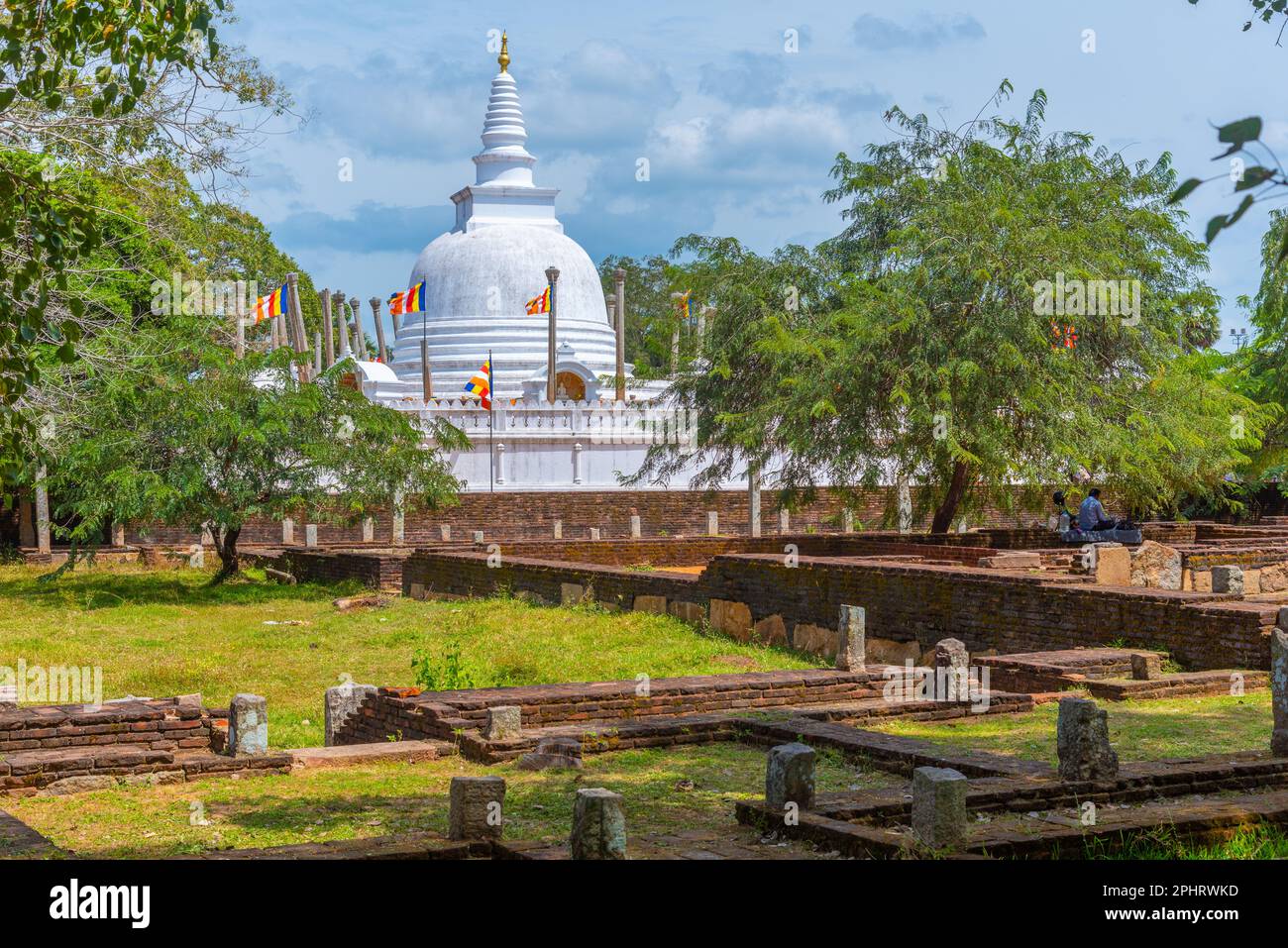
Thuparamaya
Thuparamaya is the first Buddhist temple built in Sri Lanka, located in Anuradhapura. It was constructed by King Devanampiyatissa in the 3rd century BC to enshrine a relic of the Buddha's collarbone. The temple, also known as Thuparama Dagoba, is a significant pilgrimage site and a part of the "Atamasthana" (eight sacred places) in Anuradhapura.
Kuragala
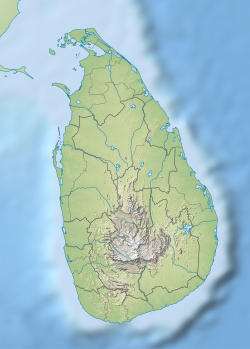
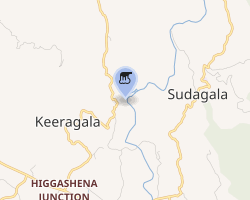
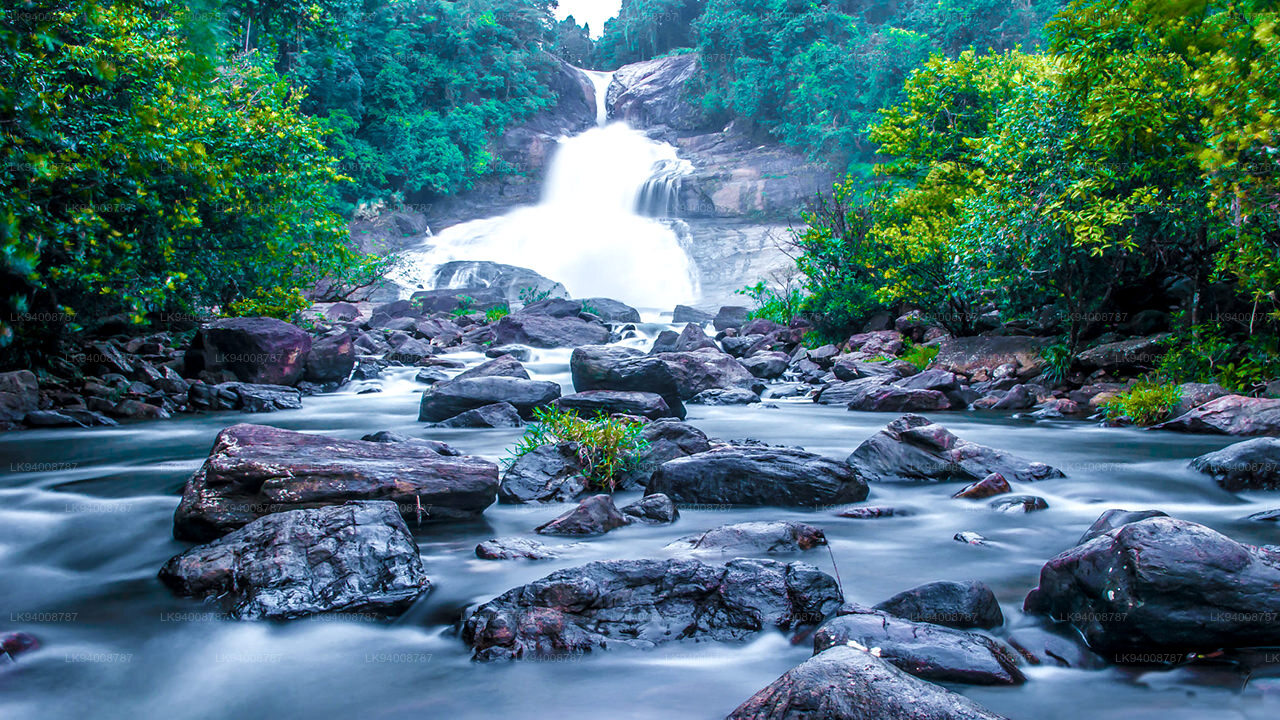
Kuragala is a pre-historic archaeological site consisting of an early human settlement during the late Pleistocene period and ruins of ancient Buddhist Cave temple complex, dating back to the 2nd century BC, in Balangoda, Sri Lanka. The temple complex is located on the Balangoda - Kaltota road approximately 24 km (15 mi) distance from the Balangoda town. The site has been formally recognised by the Government as an archaeological reserve in Sri Lanka. Kuragala is considered as the oldest archaeological site found in the Intermediate Zone


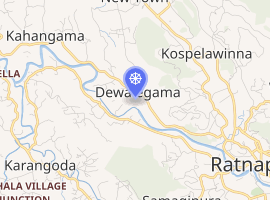
Maha Saman Devalaya or the Great Saman Temple (also called Sumana Saman Devalaya) is a shrine dedicated to deity Saman, situated at Ratnapura, Sri Lanka who is the presiding deity of the Sri Pada Mountain which is also called Samanthakuta meaning the mountain of Saman which is believed to have the left foot impression of Buddha which he kept in his visit to Sri Lanka.

Sri padasthanaya
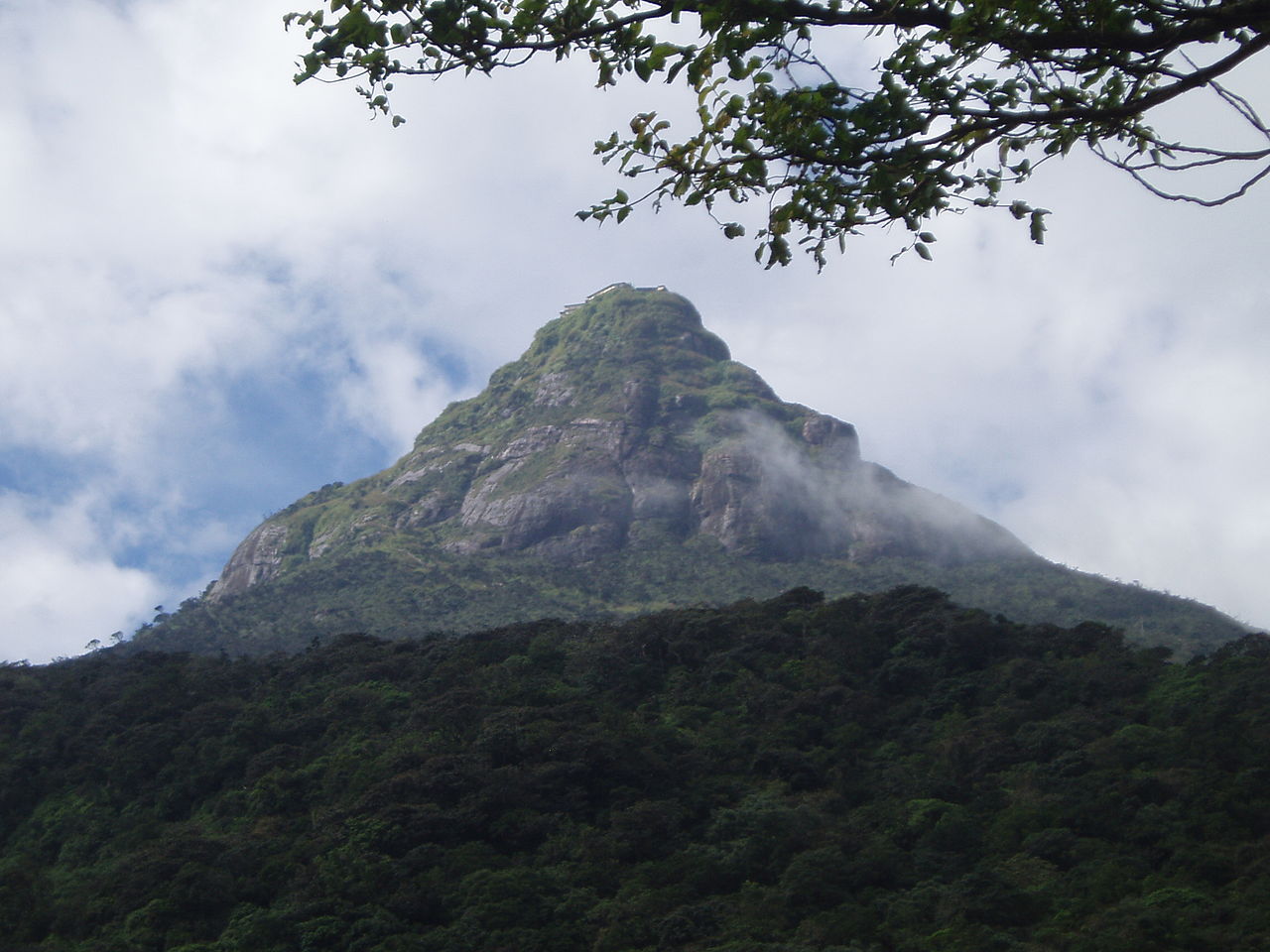
Sri Pada Mountain is located in the Ratnapura District of the Sabaragamuwa Province in the central hilly region. It is approximately 2243 meters tall. Sri Pada is a revered pilgrimage site for Buddhists. The area surrounding Sri Pada Mountain is surrounded by massive mountain ranges. It is home to various animal species, including elephants, leopards, and bears, as well as endemic species of wildlife. There are six routes to reach Sri Pada Mountain. These routes include Ratnapura-Palabaddele, Hatton-Nallathanniya, Kuruwita-Erathna, Muryawatta, Mookuwatta, and Malimboda. Among these six routes, the Nallathanniya and Palabaddele routes are the two most famous.
Sinharaja forest


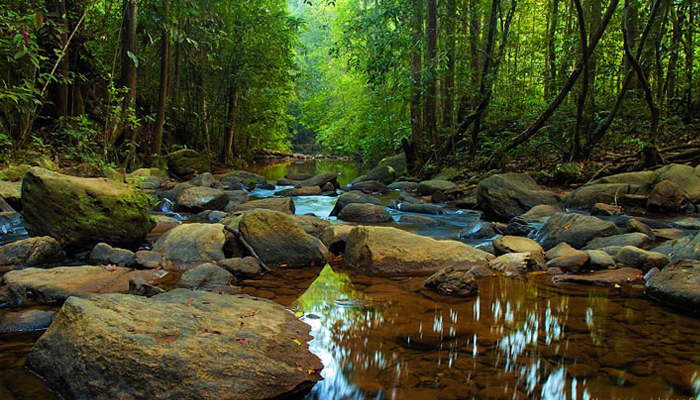
Sinharaja Forest Reserve is a national rainforest located in the southwestern part of Sri Lanka in the central highland, specifically in the Rakwana region, at an altitude range of 300 to 1170 meters, covering an area of 11,250 hectares. It borders the Galle District. It has drawn international attention and has been designated as a biosphere reserve and a World Heritage site by UNESCO.This rainforest, which is part of the tropical wet forest ecosystem in Sri Lanka, has been protected from commercialization due to access difficulties. It was designated as a biosphere reserve in 1607 and as a World Heritage site in 1988, which further contributed to its conservation. The name “Sinharaja” means “Lion King”.


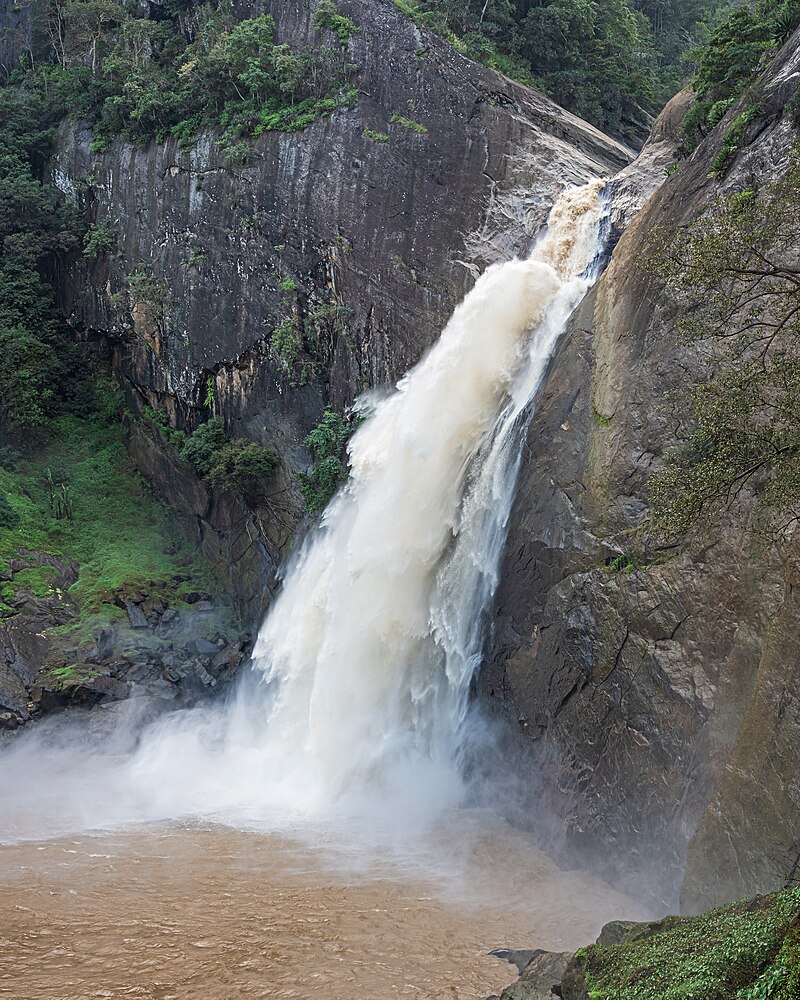
Dunhidha is a beautiful waterfall located in Sri Lanka. It is situated about 5 kilometers from the city of Badulla. The height of the waterfall is 210 feet, which is approximately 64 meters. The mist (water vapor) that spreads out at the base of the waterfall is what gives it this name. (In Sinhala, "Dun" means mist or smoke.) The Badulla Oya (river) flowing through the city of Badulla creates this lovely waterfall.To reach the waterfall, one has to walk about 1 kilometer. During this journey, a smaller waterfall can be encountered, which is referred to as "Kuda Dunhidha". At the end of the path, a viewing platform has been constructed for visitors to safely observe the waterfall.
Rawana Falls

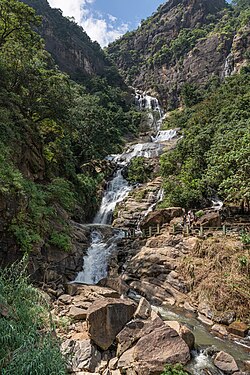
Ravana Falls is a popular sightseeing attraction in Uva province of Sri Lanka. It currently ranks as one of the widest falls in the country.
This waterfall measures approximately 25 m (82 ft) in height and cascades from an oval-shaped concave rock outcrop. During the local wet season, the waterfall turns into what is said to resemble an areca flower with withering petals. But this is not the case in the dry season, where the flow of water reduces dramatically. The falls form part of the Ravana Ella Wildlife Sanctuary, and are located 6 km (3.7 mi) away from the local railway station at Ella.

Elwphant sanctuary sri lanka


Udawalawa Elephant Transit Home is not much interact with tourists. Baby elephants and other elephants live just as living in the wild. But there are baby elephant feeding times. so tourist can enjoy this events from near by place.
The Elephant Transit Home (ETH) which was founded in 1995 at the Udawalawe National Park and was established in order to provide protection for orphaned or abandoned elephant calves. It is home to around 52 rescued elephants between the ages of 1 – 6 years
Mihinthalaya


Mihintale is a mountain peak near Anuradhapura in Sri Lanka. It is believed by Sri Lankans to be the site of a meeting between the Buddhist monk Mahinda and King Devanampiyatissa which inaugurated the presence of Buddhism in Sri Lanka. It is now a pilgrimage site, and the site of several religious monuments and abandoned structures.
Bopath Ella Waterfall


The name "Bopath Ella" has been given to the waterfall because of its shape. The water flows through a narrow gap in the rocks and then widens, forming the shape of a leaf of a "Bo" tree which is the Sinhalese name for sacred fig (Ficus religiosa). "Path" means leaves of a tree and "Ella" means waterfall. Virgin forests with a rich biodiversity surround the waterfall.

Bopath Ella is 30 metres (98 ft) high. It is formed from the Kuru Ganga, which is a tributary of the Kalu Ganga.[1] Its mean rate of flow is 6 square metres (65 sq ft) per second, and its catchment area receives an average rainfall of 5,080 millimetres (200in) annually. Water from the falls is used for paddy cultivation. Bopath Ella is also the most comprehensively studied waterfall in the country.

Bopath Ella is a major tourist attraction in Sri Lanka, since it is not far from the capital, Colombo, and is easily accessible. There have been unsuccessful attempts to use the waterfall to generate hydroelectricity. The path to the waterfall is lined with a number of shops and stalls, and it is somewhat polluted because of this commercialization.


| About me | Article❤🧡 | buddhist place🙏🙏 | My favourite cartoon | Walking to school | South korean 😘🥰 | Japan | My favourite movie | My favourite singer | My family | The Robin | My favourote sri lankan singer | My favourite sir lankan film character | A wonderfull Time with Miss LULU | My favourite cartoons |

Amashi Thavindi from Rambuka - buddhist place🙏🙏 (Daily life - Education)    -    Author : Amashi - Sri Lanka


2545 visitors since 2025-03-08
Last update : 2026-03-28

Blog-City.info >> Daily life >> Blog #33973

Create your own
WEBSITE !
PICTURES OF FRANCE


Visit France !

website author area
Password :
Forgot password? - unpublish